
Oil-Free Air Compressors: How to Keep Them Running Well?
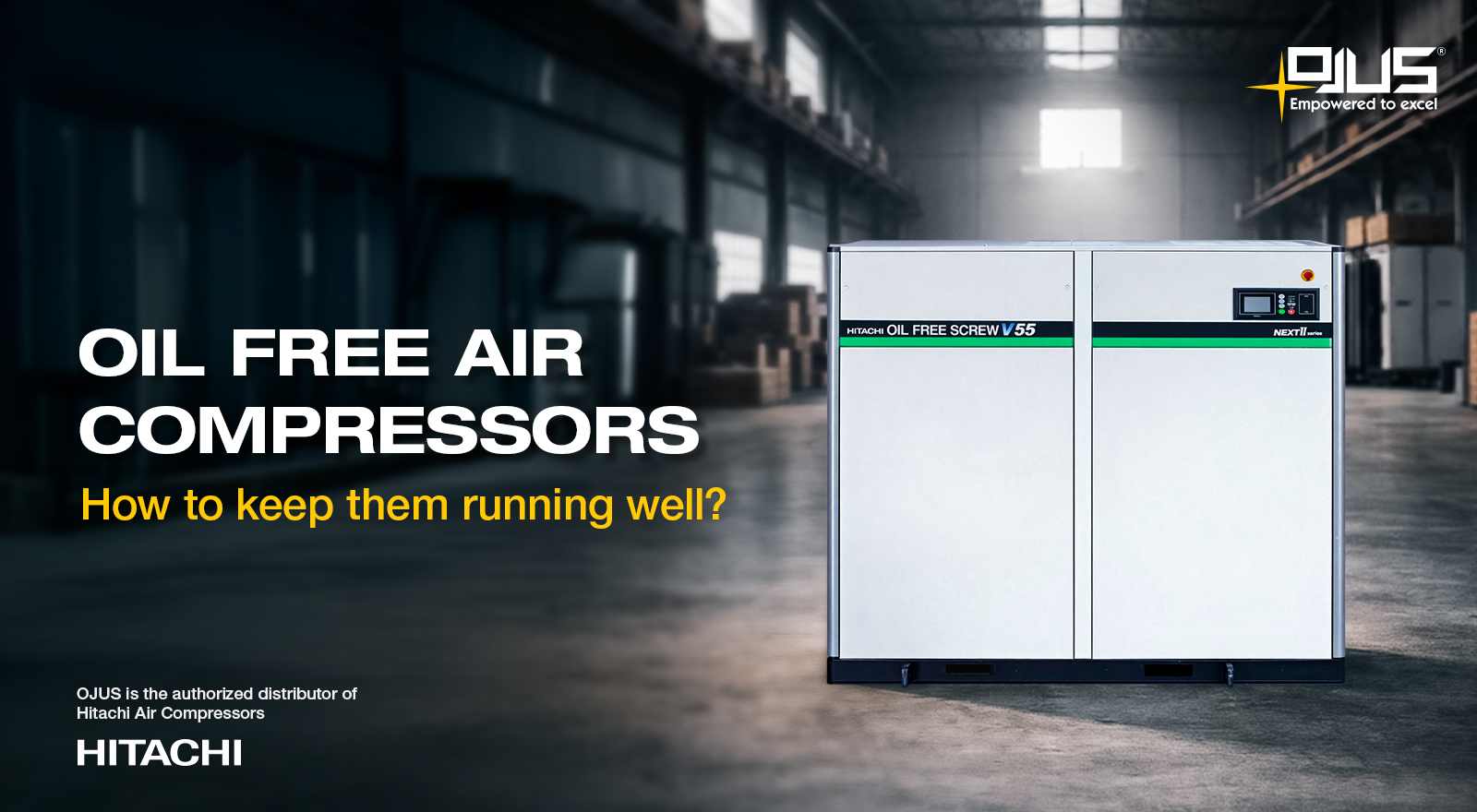
Oil-free air compressors play a critical role in industries where clean, contamination-free air is essential. These systems help maintain product quality, process reliability, and compliance standards.
To get the best performance from an oil-free air compressor, regular care and proper operating practices are essential. A well-maintained compressor delivers consistent airflow, lower downtime, improved efficiency, and a longer service life.
1. Why Maintenance Matters
Unlike conventional compressors, oil-free systems are designed to operate without oil in the compression chamber, which means internal components are exposed to very high temperatures.
Regular maintenance helps ensure these components function properly, supporting reliable performance and efficiency.
Proper maintenance helps:
- Ensure clean air quality
- Prevent unexpected breakdowns
- Improve energy efficiency
- Reduce repair costs
- Extend equipment lifespan
- Support continuous production
2. Best Practices to Keep Your Oil-Free Air Compressor Running Well
I. Follow a Preventive Maintenance Schedule
Routine inspections and timely servicing are the foundation of compressor reliability. Always follow the manufacturer’s recommended maintenance intervals for filters, belts, coolers, valves, and other wear parts.
A preventive approach helps identify small issues before they become costly failures.
II. Keep Air Filters Clean
Air filters prevent dust, dirt, and particles from entering the compressor. Dirty or clogged filters can reduce efficiency, increase power consumption, and affect air quality.
Inspect filters regularly and replace them when needed to maintain smooth airflow.
III. Monitor Operating Temperature
Excessive heat can reduce compressor performance and damage internal components. Ensure cooling systems, ventilation paths, and ambient conditions are properly managed.
Check for:
- Blocked ventilation
- Dirty coolers
- Poor airflow around the machine
- High room temperature
Keeping temperatures under control improves reliability and efficiency.
IV. Inspect Moisture Management Systems
Compressed air naturally generates moisture. If not managed properly, moisture can affect downstream equipment and product quality.
Regularly inspect:
- Air dryers
- Moisture separators
- Drain valves
- Condensate systems
A healthy moisture control system protects both the compressor and your production process.
V. Check Belts, Couplings, and Moving Parts
Mechanical components should be inspected for wear, alignment, and tension. Loose belts or worn couplings can reduce efficiency and lead to unexpected stoppages.
Early replacement of wear parts helps avoid larger breakdowns.
VI. Monitor Pressure and Performance
A drop in pressure or unusual fluctuations may indicate leaks, clogged filters, or internal inefficiencies.
Track key parameters such as:
- Operating pressure
- Airflow demand
- Power consumption
- Running hours
- Load/unload cycles
Performance monitoring helps optimize system health.
VII. Keep the Compressor Area Clean
Dusty, cluttered, or poorly ventilated compressor rooms can impact performance. Keep the surrounding area clean and ensure enough space for ventilation and service access.
A clean environment supports smoother operation and easier maintenance.
VIII. Train Operators and Maintenance Teams
Ensure operators understand startup procedures, shutdown practices, warning indicators, and basic checks.
Well-trained teams can identify issues early and reduce unnecessary downtime.
IX. Use Genuine Parts and Expert Service
Using genuine spare parts and qualified service support helps maintain efficiency, reliability, and warranty protection.
Trusted service partners can also provide performance checks, upgrades, and long-term maintenance planning.
3. Signs Your Compressor Needs Attention
Watch for these warning signs:
- Increased noise or vibration
- Higher energy bills
- Pressure instability
- Excessive heat
- Frequent shutdowns
- Reduced airflow
- Moisture carryover
Addressing these signs early can prevent major repairs.
4. A Reliable Approach to Clean Air Compression
OJUS oil free air compressors powered by Hitachi are designed for clean air, dependable operation, and long-term efficiency, backed by trusted service support across industries.