
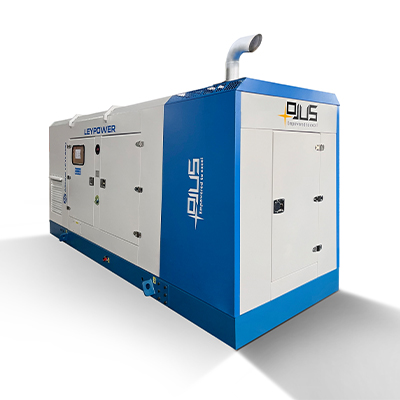
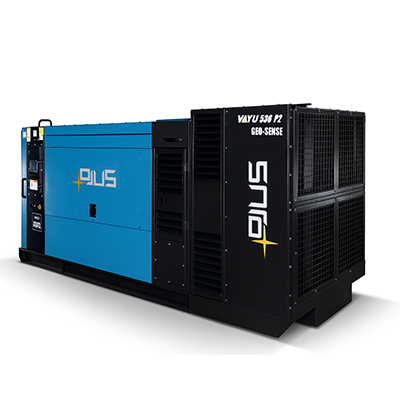
We have generators that meet your every requirement. Our expert team will help you in every step from choosing the right genset to post-sales support.
With a wide sales and service dealer network, we are reaching global markets, ensuring that we provide a reliable source of energy across applications, across the world.
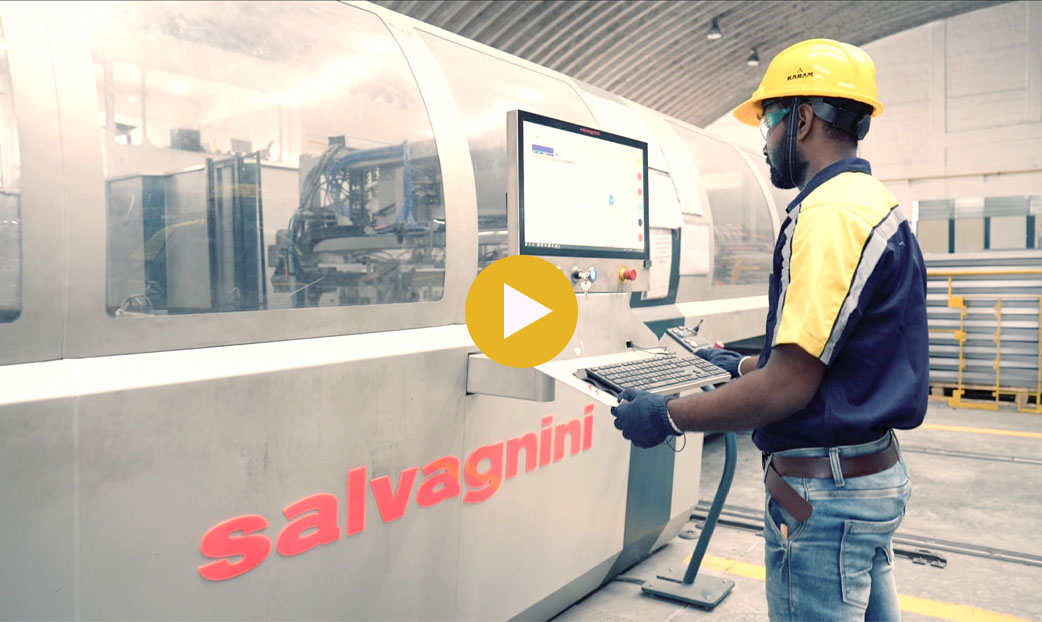
Our state-of-the-art industrial automation & manufacturing technology and processes ensure high-caliber products with unparalleled quality. We use a fully automated Powder Coating Facility (industry 4.0) with ZLD (Zero Liquid Discharge).
At OJUS Power & Technologies we are continuously pioneering innovative energy solutions in line with global standards. With a focus on cutting-edge technology, customer-centricity, and sustainability, OJUS helps transform businesses and communities with robust and reliable product and services solutions. Our unwavering commitment to excellence, paired with a passion for innovation, defines our journey in helping shape a brighter, more productive future for our customers and partners.
OJUS is an engineering-led company with a deep understanding of real-world applications across residential, commercial, infrastructure, and industrial domains. We design with purpose—developing products that are tuned to the customer's pulse and built for real-world performance.









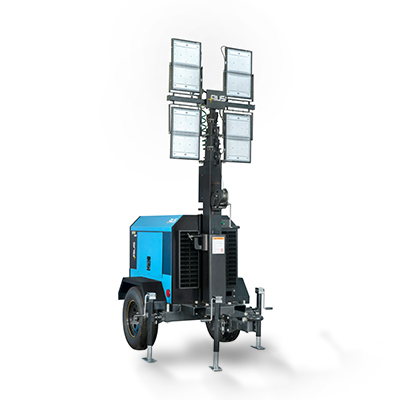
Infrastructure projects run around the clock. From highway construction to bridge work and metro development, night shifts are no longer the exception, they're the norm. And when the sun goes down, lighting becomes one of the biggest operational overheads on site.For project managers and contractors looking to control costs without compromising safety, LED light towers are proving to be a smarter, more economical choice over conventional lighting solutions.Here's how they're making a measurable difference.1. The Problem with Conventional Site LightingTraditional metal halide or halogen-based light towers consume significantly more fuel to power their lamps. A conventional 1000W metal halide setup draws considerably more energy than its LED (about 350W) equivalent and that difference adds up fast over a project that runs night shifts for months.Beyond fuel, conventional lamps also carry higher maintenance costs. Bulbs burn out faster, replacement is more frequent, and downtime for servicing cuts into productivity.2. How LED Technology Changes the EquationLED lamps produce more light per watt than metal halide or halogen alternatives. This means the engine powering an LED light tower doesn't have to work as hard — directly reducing fuel consumption per operating hour.Key advantages of LED light towers:Lower wattage, higher output - OJUS PLT SMART Series runs on 4×350W LED lamps, delivering broad, high-intensity coverage with significantly less power draw than conventional equivalents.Longer lamp life - LEDs last 20,000+ hours compared to 2,000–5,000 hours for metal halide lamps, reducing replacement frequency and associated costs.Instant-on capability - no warm-up time means no wasted fuel during startup.Consistent light quality - LEDs maintain brightness and colour temperature throughout their lifespan, unlike metal halide lamps that dim progressively.3. Real Savings on Long-Duration ProjectsThe fuel savings from LED light towers become especially significant on large-scale infrastructure projects where multiple units run simultaneously across extended durations.Consider a site running 5 light towers for 10-hour night shifts, 6 days a week. The difference in fuel consumption between conventional and LED units - multiplied across weeks and months — translates into substantial savings on diesel procurement, transportation, and storage.For projects in remote locations where fuel logistics are complex and costly, these savings carry even greater weight.4. Smart Controls That Save Even MoreModern LED light towers don't just save fuel through efficient lamps, they come equipped with intelligent controls that eliminate unnecessary runtime.The OJUS PLT SMART Series features:Dusk-to-dawn sensors, automatically activates at sunset and shuts off at sunrise, ensuring the tower only runs when needed.Timer controls allows operators to programme specific operating hours aligned to shift schedules.Easy-access control panels enables quick adjustments on site without technical expertise.Together, these features prevent the common issue of light towers running through daylight hours unattended, a significant source of avoidable fuel waste on busy project sites.5. Lower Total Cost of OwnershipFuel savings are only part of the picture. When you factor in lamp replacement costs, servicing intervals, and equipment downtime, LED light towers deliver a lower total cost of ownership over their operational life compared to conventional alternatives.For contractors managing tight project budgets, that's a meaningful advantage not just in daily running costs, but across the full lifecycle of the equipment.6. Infrastructure-Ready by DesignThe OJUS PLT SMART Series is purpose-built for demanding infrastructure applications. With a Yanmar liquid-cooled diesel engine, a 120-litre fuel tank for extended runtime, a robust trailer for easy site-to-site mobility, and a 345° rotating mast for flexible coverage, it's designed to perform reliably night after night, project after project.7. The Bottom LineSwitching to LED light towers isn't just an environmental choice, it's a financially sound one. Lower fuel consumption, longer lamp life, smarter controls, and reduced maintenance combine to deliver real, measurable savings on every project.For infrastructure contractors looking to improve site economics without compromising on light quality or reliability, LED light towers are no longer an upgrade, they're the standard.To explore the OJUS PLT SMART Series or discuss your site lighting requirements, visit www.ojuspower.com or call us at +91 974 000 7700.
Read More →
Diesel Generator (DG) sets are a critical power backup solution for industries, commercial facilities, infrastructure projects, and businesses that require uninterrupted power supply. However, fuel consumption remains one of the major operational costs associated with running DG sets.Improving fuel efficiency not only helps reduce operating expenses but also enhances performance, increases equipment life, and supports sustainability goals.In this blog, we explore practical tips to help optimize fuel usage and maximize the performance of your DG set.1. Why Fuel Efficiency Matters in DG SetsFuel efficiency plays a major role in the overall performance and operating cost of a diesel generator. An efficient DG set delivers reliable power while consuming less fuel and reducing unnecessary strain on the engine.Optimizing fuel efficiency helps:Reduce operational costsImprove equipment lifespanLower emissions and environmental impactEnhance performance reliabilitySupport better return on investment (ROI)Ensure compliance with environmental standards2. Best Practices to Improve Fuel Efficiency in DG SetsI. Operate at Optimal Load LevelsRunning a DG set at very low loads or overloading it can increase fuel consumption and negatively affect engine performance.For maximum efficiency, DG sets should ideally operate between 60% to 80% of their rated load capacity.Maintaining the right load balance improves fuel economy and reduces engine wear.II. Follow a Regular Maintenance ScheduleRoutine maintenance is essential for ensuring efficient combustion and smooth operation.Regular servicing helps identify potential issues early and prevents excessive fuel usage caused by worn or clogged components.Key maintenance areas include:Air filtersFuel injectorsEngine oilCooling systemsBelts and moving partsIII. Maintain Proper Engine and Cooling ConditionsIncorrect engine temperature, poor ventilation, or inefficient cooling systems can lead to higher fuel consumption and reduced performance.Ensure the DG set operates in a well-ventilated environment with proper airflow and cooling support.Regularly inspect:RadiatorsCooling fansVentilation pathsCoolant levelsProper thermal management improves reliability and fuel efficiency.IV. Use Quality Fuel and Prevent LeakagesLow-quality diesel fuel and unnoticed leakages can significantly increase fuel wastage and impact engine performance.Always use clean, high-quality fuel and regularly inspect the fuel system for leaks or damage.Check for:Fuel pipe leakagesLoose connectionsTank conditionFuel contaminationProper fuel handling ensures efficient combustion and consistent generator performance.V. Avoid Frequent Start and Stop CyclesFrequent starting and stopping of DG sets increases fuel consumption and causes unnecessary wear on engine components.Where possible, plan for longer and stable operating cycles to improve fuel efficiency and equipment life.VI. Choose the Right and Modern DG SetAn incorrectly sized or outdated DG set may consume more fuel and operate inefficiently.Selecting the correct generator capacity based on actual power requirements helps optimize fuel usage.Modern CPCB IV+ compliant DG sets are designed to deliver improved fuel efficiency, lower emissions, and better overall performance.3. Benefits of Optimizing Fuel EfficiencyImproving fuel efficiency provides long-term operational and financial advantages for businesses.Key benefits include:Lower fuel and operating costsImproved uptime and productivityReduced maintenance expensesEnhanced environmental complianceBetter overall system performanceLonger equipment lifespan4. Powering Operations with Efficient DG SolutionsOJUS DG sets powered by advanced technology are designed to deliver reliable performance, optimized fuel efficiency, and dependable power backup solutions for diverse industrial and commercial applications.With the right DG set, proper maintenance, and efficient operating practices, businesses can significantly reduce fuel costs while ensuring uninterrupted operations.Looking to improve fuel efficiency and reduce operational costs for your business?Visit www.ojuspower.com to explore reliable DG power solutions tailored to your operational needs.
Read More →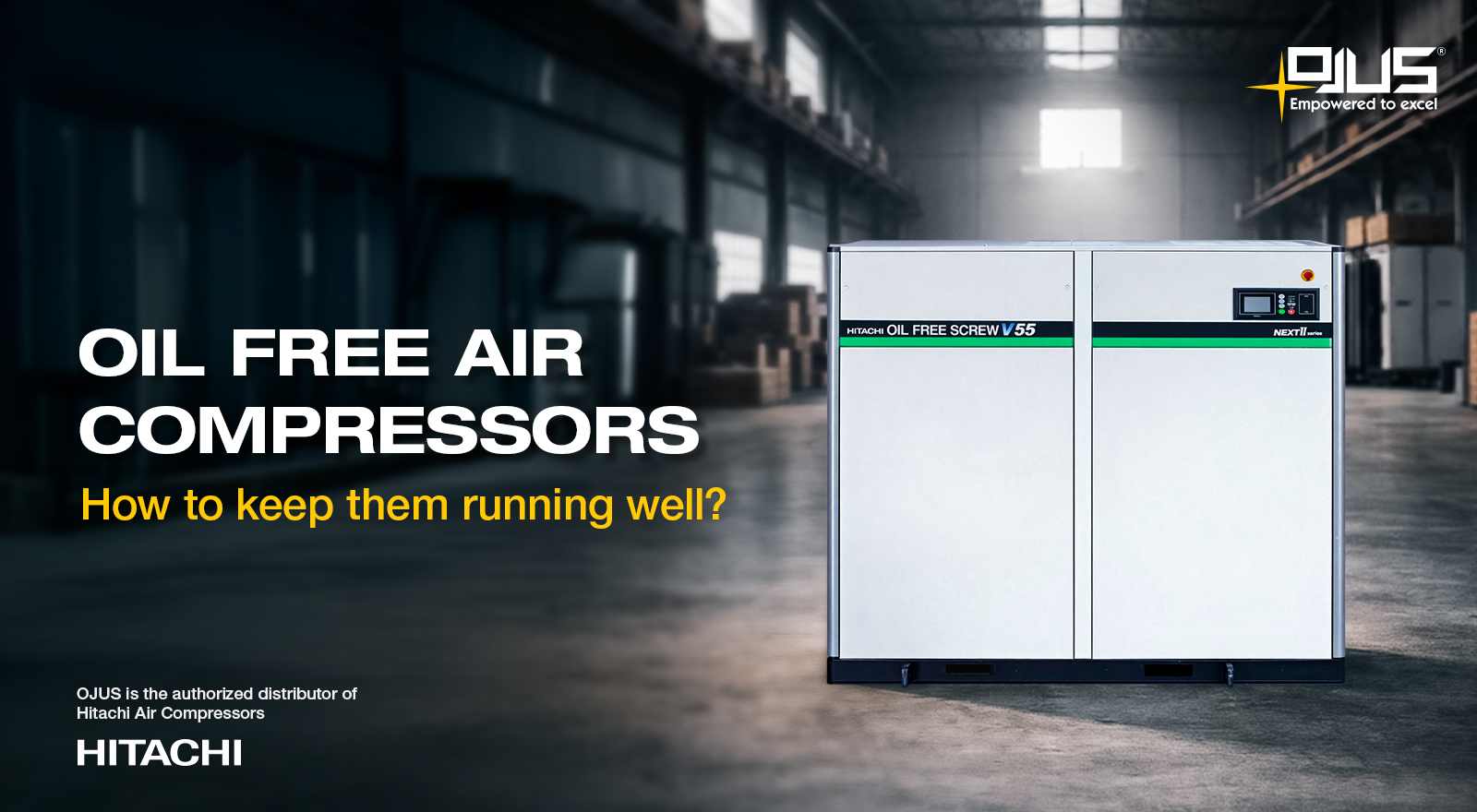
Oil-free air compressors play a critical role in industries where clean, contamination-free air is essential. These systems help maintain product quality, process reliability, and compliance standards.To get the best performance from an oil-free air compressor, regular care and proper operating practices are essential. A well-maintained compressor delivers consistent airflow, lower downtime, improved efficiency, and a longer service life.1. Why Maintenance MattersUnlike conventional compressors, oil-free systems are designed to operate without oil in the compression chamber, which means internal components are exposed to very high temperatures.Regular maintenance helps ensure these components function properly, supporting reliable performance and efficiency.Proper maintenance helps:Ensure clean air qualityPrevent unexpected breakdownsImprove energy efficiencyReduce repair costsExtend equipment lifespanSupport continuous production2. Best Practices to Keep Your Oil-Free Air Compressor Running WellI. Follow a Preventive Maintenance ScheduleRoutine inspections and timely servicing are the foundation of compressor reliability. Always follow the manufacturer’s recommended maintenance intervals for filters, belts, coolers, valves, and other wear parts.A preventive approach helps identify small issues before they become costly failures.II. Keep Air Filters CleanAir filters prevent dust, dirt, and particles from entering the compressor. Dirty or clogged filters can reduce efficiency, increase power consumption, and affect air quality.Inspect filters regularly and replace them when needed to maintain smooth airflow.III. Monitor Operating TemperatureExcessive heat can reduce compressor performance and damage internal components. Ensure cooling systems, ventilation paths, and ambient conditions are properly managed.Check for:Blocked ventilationDirty coolersPoor airflow around the machineHigh room temperatureKeeping temperatures under control improves reliability and efficiency.IV. Inspect Moisture Management SystemsCompressed air naturally generates moisture. If not managed properly, moisture can affect downstream equipment and product quality.Regularly inspect:Air dryersMoisture separatorsDrain valvesCondensate systemsA healthy moisture control system protects both the compressor and your production process.V. Check Belts, Couplings, and Moving PartsMechanical components should be inspected for wear, alignment, and tension. Loose belts or worn couplings can reduce efficiency and lead to unexpected stoppages.Early replacement of wear parts helps avoid larger breakdowns.VI. Monitor Pressure and PerformanceA drop in pressure or unusual fluctuations may indicate leaks, clogged filters, or internal inefficiencies.Track key parameters such as:Operating pressureAirflow demandPower consumptionRunning hoursLoad/unload cyclesPerformance monitoring helps optimize system health.VII. Keep the Compressor Area CleanDusty, cluttered, or poorly ventilated compressor rooms can impact performance. Keep the surrounding area clean and ensure enough space for ventilation and service access.A clean environment supports smoother operation and easier maintenance.VIII. Train Operators and Maintenance TeamsEnsure operators understand startup procedures, shutdown practices, warning indicators, and basic checks.Well-trained teams can identify issues early and reduce unnecessary downtime.IX. Use Genuine Parts and Expert ServiceUsing genuine spare parts and qualified service support helps maintain efficiency, reliability, and warranty protection.Trusted service partners can also provide performance checks, upgrades, and long-term maintenance planning.3. Signs Your Compressor Needs AttentionWatch for these warning signs:Increased noise or vibrationHigher energy billsPressure instabilityExcessive heatFrequent shutdownsReduced airflowMoisture carryoverAddressing these signs early can prevent major repairs.4. A Reliable Approach to Clean Air CompressionOJUS oil free air compressors powered by Hitachi are designed for clean air, dependable operation, and long-term efficiency, backed by trusted service support across industries.
Read More →